
At Honig Orthodontics, Dr. Gordon Honig and Dr. Lisa Honig help families compare treatment options based on each teen’s teeth, bite, habits, and lifestyle. Invisalign can offer flexibility, but it also asks more from the patient every day. That is why readiness matters.
What Makes Invisalign Different for Teens?
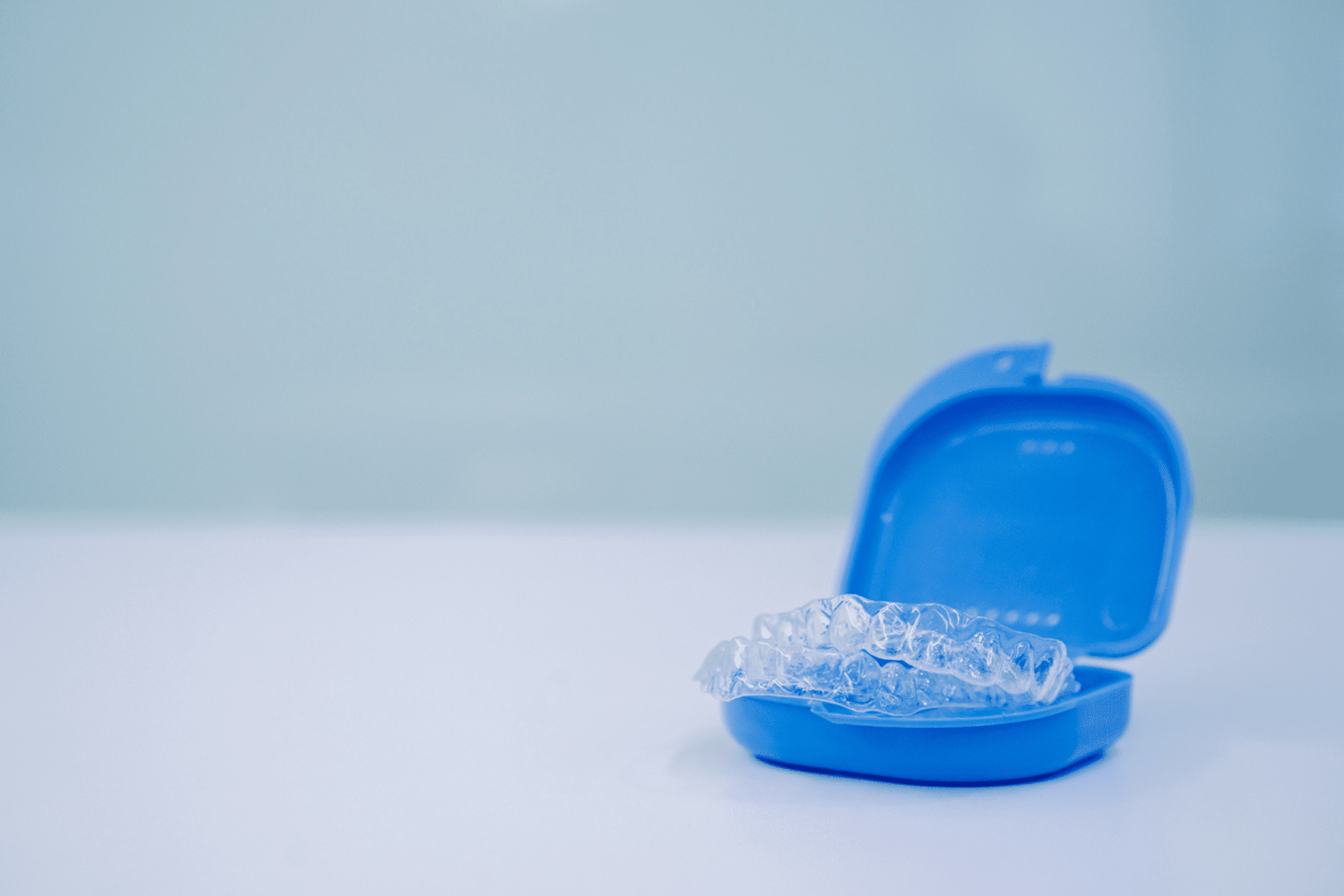
Invisalign uses a series of clear, removable aligners instead of brackets and wires. Each set is designed to guide the teeth a little at a time as treatment progresses.
For teens, the biggest difference is control. Braces stay on the teeth, so they are always working. Invisalign aligners can be removed for meals, brushing, flossing, sports mouthguards, and certain activities. That flexibility can be helpful, but it also means the teen has to wear the aligners consistently.
The American Association of Orthodontists explains that clear aligners are typically worn at least 22 hours a day and removed for eating, drinking, brushing, and flossing. That daily wear time is one reason parents should think about habits, not just the look of treatment.
Appearance is still part of the appeal. Many teens like that Invisalign is less noticeable in conversations, school photos, and social settings. However, the clear design should not be the only reason a family chooses it. The better question is whether your teen can follow the routine.
What Daily Habits Matter Most with Invisalign?
The most important Invisalign habit is consistent wear. If a teen removes aligners too often or forgets to put them back in after lunch, snacks, sports, or school activities, tooth movement may not stay on schedule.
Cleaning habits also matter. Aligners sit closely over the teeth, so your teen needs to brush, floss, rinse, and clean the trays as directed. This is especially important during school days when meals and snacks may happen away from home.
Your teen also needs to keep track of aligners when they are out of the mouth. Aligners should go in their case, not in a napkin, lunch tray, pocket, backpack, or sports bag. Lost aligners can interrupt progress and may require instructions from the orthodontic team.
Parents can think through a normal school day with their teen. When would the aligners come out for lunch? Where would the case be stored? What would happen before sports, music, or after-school activities? These questions can show whether Invisalign fits the routine or whether the plan may feel difficult to manage.
A teen who already handles routines well may be a strong Invisalign candidate. A teen who often loses items, skips brushing, or struggles with follow-through may still do better with braces. Invisalign readiness is not about being perfect. It is about being dependable enough to follow the plan most days.
When Might Braces Be a Better Fit?
Braces may be a better fit when the orthodontic case is more complex or when the teen needs a treatment option that does not depend as much on daily self-management. Since braces are fixed to the teeth, they keep working without being removed for meals or activities.
Braces may also help teens who are likely to forget aligners, misplace trays, or leave them out for long periods. This does not mean the teen is doing anything wrong. It simply means the treatment should match the patient’s habits.
There are also cases where braces may provide better control for certain bite corrections or tooth movements. Invisalign can treat many teen orthodontic concerns, but it is not the best tool for every smile. A teen orthodontic evaluation can help determine whether Invisalign, braces, or another option is more predictable.
Lifestyle can also affect the decision. Invisalign can work well for active teens when the routine is clear. The aligners can be removed for eating, and teens can brush and floss without brackets or wires in the way. For sports, your teen may need to remove aligners and use the right mouthguard based on the activity and orthodontic instructions.
What Should Families Remember Before Choosing?
The best teen orthodontic option is the one that fits both the smile and the patient. Invisalign may be a smart choice for teens who can manage aligners consistently and follow the treatment schedule. Braces may be better when the case is more complex or when fixed appliances would make treatment more reliable.
Parents do not have to decide based on ads, friends, or what seems easier at first. A careful orthodontic evaluation can show what each option would require and what may work best for your teen’s bite, habits, and goals.
The main takeaway is simple: Invisalign can be a strong option for responsible teens, but it is not automatically better for every teen. The right choice depends on the orthodontic problem, the amount of correction needed, and how well your teen can manage daily wear and care.
Is It Time to Discuss Teen Invisalign?
If you are wondering whether your teen is ready for Invisalign in Middletown, DE, Honig Orthodontics can help you compare the options before treatment begins. The goal is to choose a plan that fits your teen’s orthodontic needs, schedule, and ability to stay consistent.
During a consultation, Dr. Gordon Honig and Dr. Lisa Honig can review your teen’s teeth and bite, explain whether clear aligners or braces may be a better fit, and answer questions about wear time, cleaning, meals, sports, appointments, and expected responsibilities. This can help parents feel more confident before choosing a treatment path. Schedule a consultation to learn whether Invisalign is the right choice for your teen.