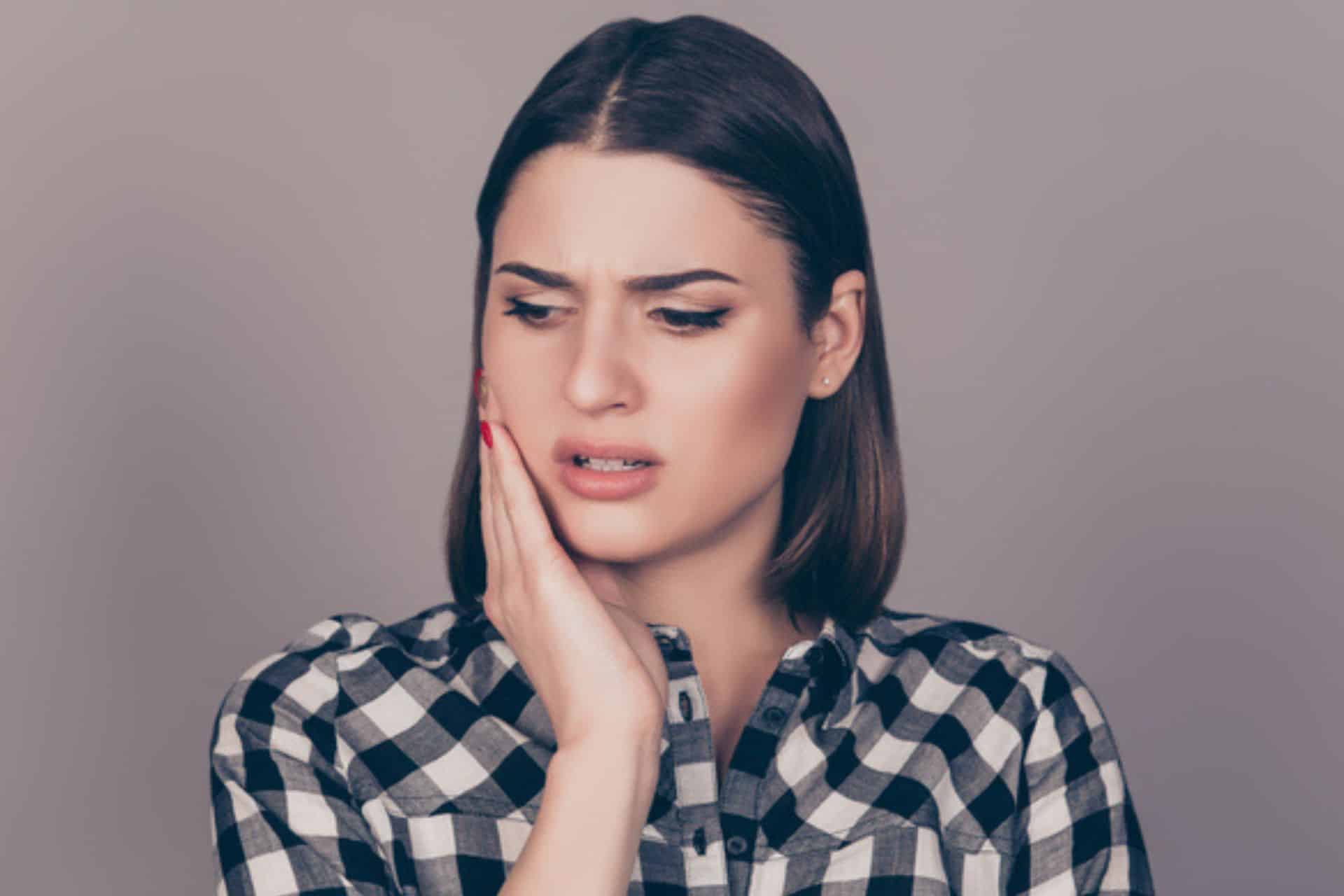
Bite issues are not always dramatic at first. Some people only notice that one side of the mouth does more chewing, that the jaw feels tired, or that the front teeth overlap more than they used to. For children, parents may notice habits, growth changes, or difficulty biting into certain foods. For adults, shifting teeth, old dental wear, or jaw tension can make an alignment concern easier to spot.
At Honig Orthodontics, Dr. Gordon C. Honig, and Dr. Lisa Honig evaluate bite alignment for children, teens, and adults in Newark, DE and surrounding communities.
What Does a Bite Problem Look Like in Daily Life?
A bite problem means the upper and lower teeth do not come together in a balanced way. This can involve an overbite, underbite, crossbite, open bite, crowding, spacing, or jaw alignment concern. Some bite issues are visible in the mirror, while others are easier to notice during chewing, speaking, or brushing.
A child may bite the cheek often, chew with the mouth open, avoid certain textures, or complain that the teeth feel uncomfortable. Teens may notice that their teeth are shifting, their smile looks uneven, or their jaw clicks when opening wide. Adults may see worn edges on the teeth, gum irritation around crowded areas, or changes in how their bite feels.
The American Association of Orthodontists explains that common bite problems can affect chewing, biting, and speaking when the teeth and jaws do not line up properly. You can learn more from the AAO’s guide to common bite problems.
These signs do not always mean treatment is needed right away. They do mean the bite should be checked so the orthodontist can explain what is happening and whether monitoring, braces, Invisalign, or another orthodontic option may be appropriate.
What Bite Changes Should Parents Watch For in Children?
Parents should watch for early signs like crowded baby teeth, early or late loss of baby teeth, difficulty biting into food, mouth breathing, thumb sucking that continues past early childhood, or teeth that come together unevenly. A child may not know how to explain a bite issue, so behavior can be the first clue.
Some children avoid biting with their front teeth because the teeth do not touch correctly. Others may chew mostly on one side, shift the jaw to close the mouth, or show uneven jaw movement. Parents may also notice that the upper teeth sit far ahead of the lower teeth, the lower teeth sit in front of the upper teeth, or the back teeth do not line up evenly.
Early orthodontic evaluation does not always lead to immediate treatment. In many cases, the goal is to understand growth, monitor development, and decide whether future care may be needed. For families in Newark, DE and surrounding communities, an orthodontic visit can help clarify whether a bite concern is part of normal development or something that should be addressed.
What Signs Should Teens and Adults Not Ignore?
Teens and adults should not ignore jaw soreness, uneven tooth wear, teeth shifting out of place, difficulty chewing, frequent cheek biting, speech changes, or teeth that no longer fit together comfortably. These signs can develop gradually, especially after growth changes, missed retainer wear, dental work, or long-term tooth movement.
Adults may assume bite changes are only cosmetic, but alignment affects more than the appearance of a smile. When the bite is uneven, certain teeth may carry more pressure than others. This can contribute to chipped edges, worn enamel, gum stress, or difficulty keeping crowded teeth clean.
Teens may notice bite issues during school, sports, or meals. A retainer may feel different, the front teeth may overlap more, or the jaw may feel tired after chewing. These changes are worth discussing during an orthodontic consultation, especially if they interfere with comfort or confidence.
Honig Orthodontics offers braces, clear braces, and Invisalign options, so the recommended plan depends on age, bite type, tooth position, growth, and lifestyle.
Why Can Bite Problems Become More Noticeable Over Time?
Bite problems can become more noticeable as the jaws grow, permanent teeth erupt, wisdom teeth develop, or adult teeth shift. A small alignment issue may become easier to see when more teeth are involved or when the bite starts placing uneven pressure on certain areas.
For children, growth can either improve or worsen the way the teeth and jaws fit together. That is why timing matters. An orthodontist can evaluate whether a child’s bite should simply be monitored or whether early care could help guide development.
For adults, teeth can move throughout life. Past orthodontic treatment does not always prevent future changes if retainers are not worn as directed. Dental restorations, missing teeth, gum changes, and normal aging can also affect how the bite feels.
The key is not to wait until a bite concern becomes painful. If chewing, speech, jaw comfort, or tooth position changes, an orthodontic evaluation can help identify the cause and explain the next step.
What Should Newark, DE Families Remember About Bite Problems?
Families should remember that bite problems are not always obvious from a smile alone. The most important signs often show up during everyday function, including chewing, speaking, jaw movement, tooth wear, and comfort.
Children may show concerns through habits or growth patterns. Teens may notice shifting or changes in how their teeth fit together. Adults may feel jaw strain, see worn teeth, or notice that their bite feels different than it used to. A bite evaluation is not about rushing into treatment. It is about understanding whether the teeth and jaws are working together properly so families can make confident choices about orthodontic care.
When Should You Schedule a Bite Evaluation in Newark, DE?
You should schedule a bite evaluation if you or your child has trouble chewing, frequent cheek biting, jaw discomfort, visible crowding, uneven tooth wear, shifting teeth, or a bite that feels off. An orthodontist can examine the teeth and jaws, review symptoms, and explain whether treatment is recommended.
Honig Orthodontics sees children, teens, and adults who may need help with bite alignment, braces, or Invisalign. During a consultation, Dr. Gordon C. Honig and Dr. Lisa Honig can review your concerns and explain the best next step for your smile.
If you are a new patient and your family has noticed subtle bite changes, schedule a consultation today in our Newark, DE office. A personalized evaluation can help you understand what is happening and whether orthodontic care may improve comfort, function, and long-term smile health.